
Tranexamic Acid
INCI: Tranexamic Acid
This is one of the ingredients doing the work.
Tranexamic acid works upstream, on the signal that tells a melanocyte to start producing pigment. It is the widest structural gap we measured in the category: roughly 69,500 monthly searches against 781 competing listings.

- Typical level
- 2–5% (leave-on)
- Evidence
- Moderate — some human data
Why not higher
Topical evidence is strongest in melasma, where effect sizes are best established; effect on a sun spot or post-acne mark shares the mechanism but is less directly measured. We state this rather than blur it.
What it does
What it is
Tranexamic acid is a synthetic derivative of the amino acid lysine. It was developed and is still used systemically as an anti-fibrinolytic — a drug that reduces bleeding. Its use in topical skincare is a repurposing, and a fairly well-evidenced one.
How it works — and why it is different
Most tone actives do one of two things: inhibit tyrosinase (the enzyme that manufactures melanin), or accelerate the shedding of pigmented surface cells. Tranexamic acid does neither. It works upstream, on the signalling: it inhibits plasmin, which in turn reduces prostaglandin and arachidonic acid release, both of which are signals that activate melanocytes. In plain terms, it intercepts the instruction rather than fighting the output.
The keyword evidence
The exact-match dark spot term carries a supply-demand ratio of 0.35 — more than 22,000 listings competing for under 8,000 searches. Tranexamic acid sits at 89.0, and tranexamic acid serum at 175.5, with roughly 109,000 monthly searches against 622 listings.
The concentration we chose
We publish every percentage because you should be able to compare. In leave-on facial products we use 5%. In the eye area we drop to 3%, because that skin is thinner and more reactive. In the toner pad we use 2%, where contact is briefer. None of these numbers are secret, and none of them are the point. The point is that you can check them.
Where the evidence is thinner
Most topical tranexamic acid research is in melasma, which is a chronic, hormonally influenced condition — not the same thing as a sun spot or a post-acne mark. The mechanism is sound across all three, but the effect sizes are best established in melasma. We use it because it complements the other two mechanisms, not because it is a standalone solution.
Mechanism: upstream signal interception (plasmin → prostaglandin). Not a tyrosinase inhibitor, not an exfoliant. This is why it pairs well with both.
Safety notes
Well tolerated in the 2–5% range. Not a bleaching agent — it does not destroy existing melanin. If you are pregnant or nursing, consult a physician before use. Use in the morning and retinoids at night to avoid compounding irritation.
Also known as: TXA, trans-4-(aminomethyl)cyclohexanecarboxylic acid
Where it appears
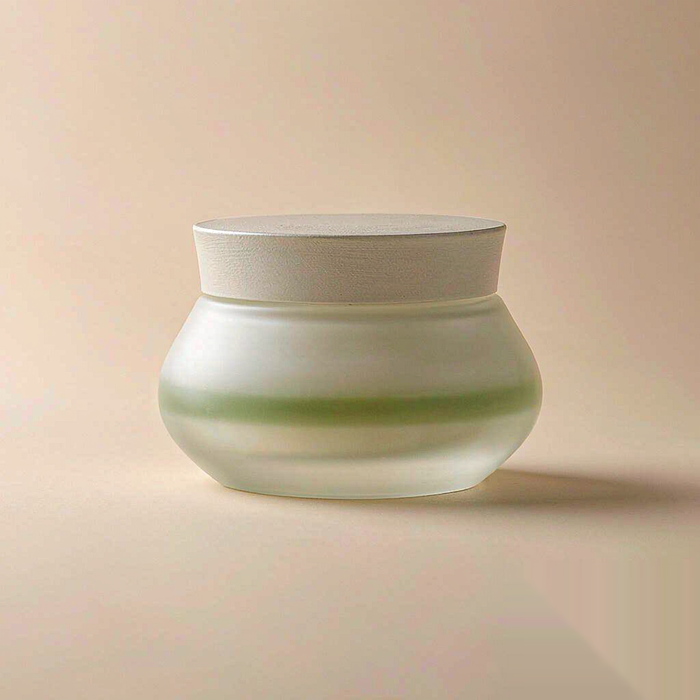 Planning figuresConcept image
Hero
TXA 5% + Niacinamide 4% Even Tone Cream
A planned formula concept. Final details are still under review.
Planning figure — not confirmed
4.6 · 1284 reviews · projected
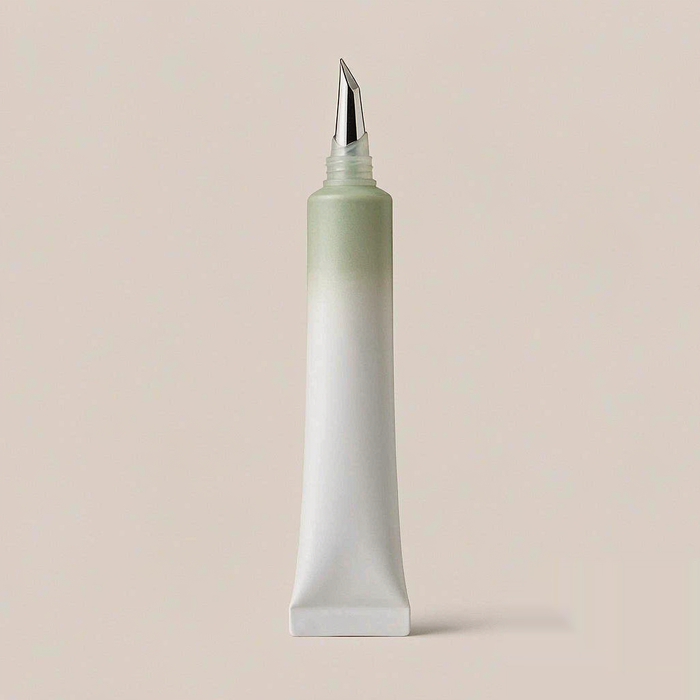 Planning figuresConcept image
#1 Area
TXA + Caffeine Even Tone Eye Cream
A planned formula concept. Final details are still under review.
Planning figure — not confirmed
4.5 · 806 reviews · projected
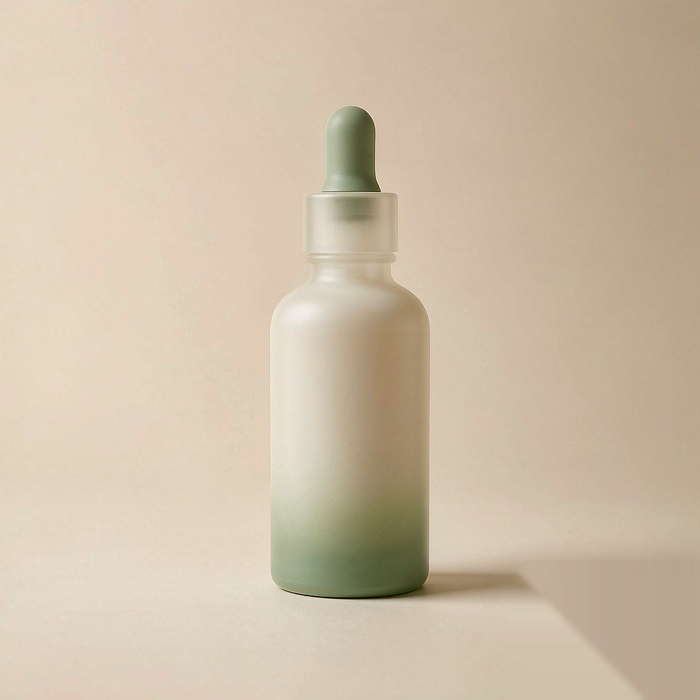 Planning figuresConcept image
SEO Priority
TXA Correcting Serum
A planned formula concept. Final details are still under review.
Planning figure — not confirmed
4.5 · 968 reviews · projected
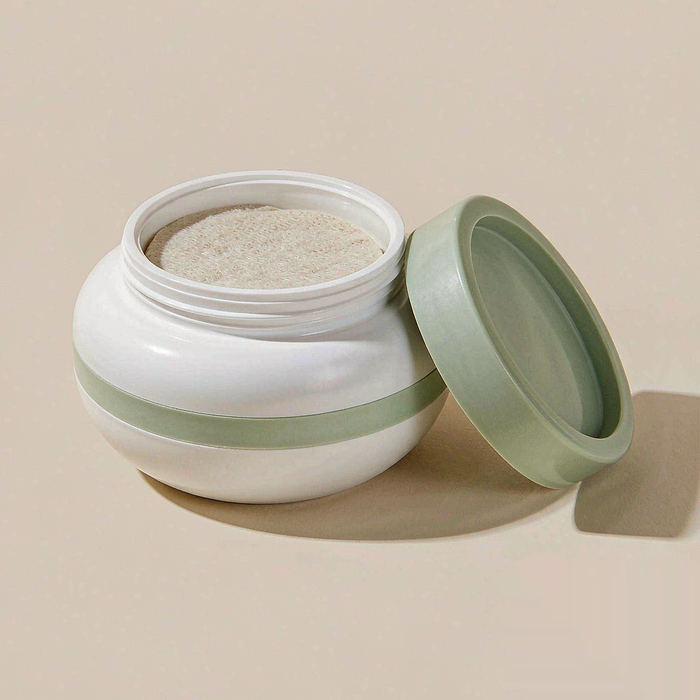 Planning figuresConcept image
Traffic Driver
TXA Even Tone Toner Pad · 70 Pads
A planned formula concept. Final details are still under review.
Planning figure — not confirmed
4.4 · 1873 reviews · projected
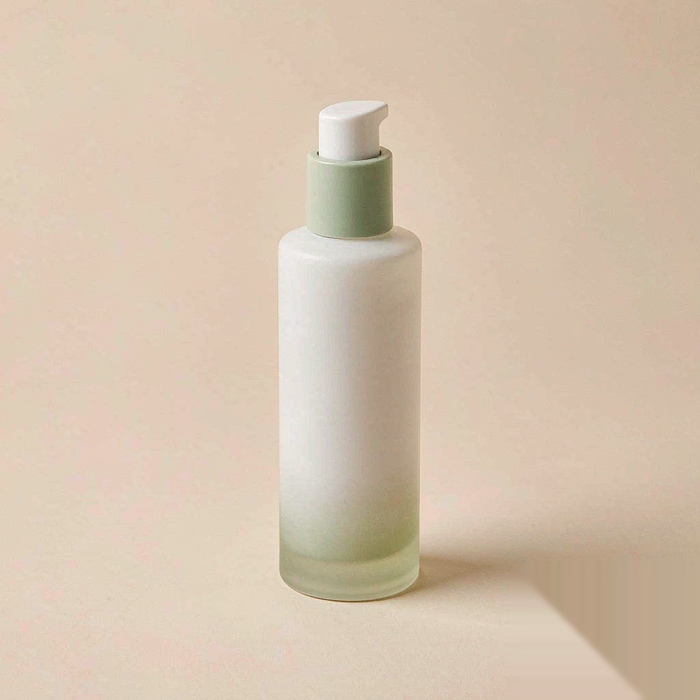 Planning figuresConcept image
High AOV
TXA Neck & Décolleté Treatment
A planned formula concept. Final details are still under review.
Planning figure — not confirmed
4.5 · 437 reviews · projected