
Kojic Acid
INCI: Kojic Acid
This is one of the ingredients doing the work.
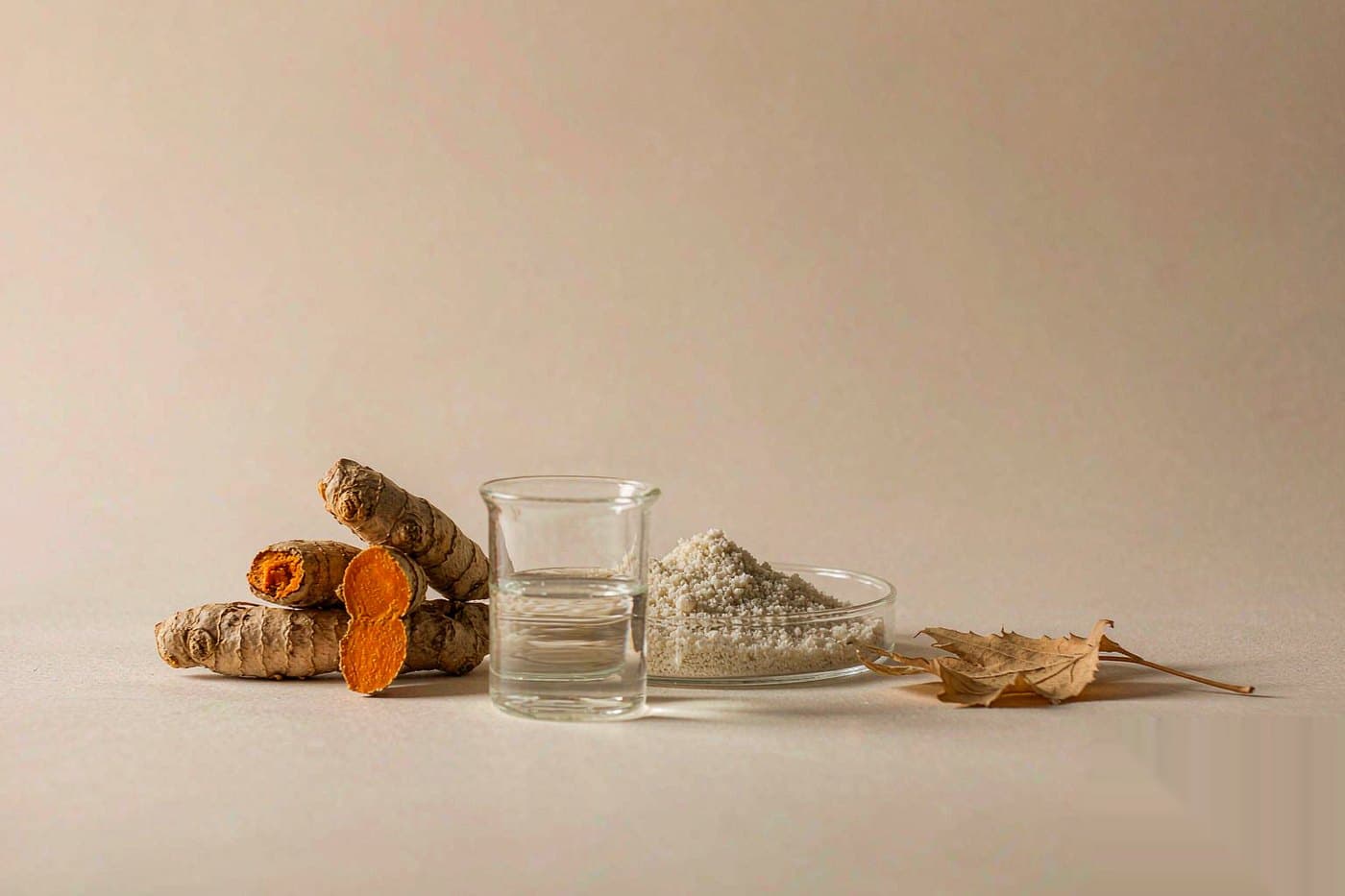
Kojic acid chelates the copper that tyrosinase needs to build melanin, slowing pigment production at the source. Kojic acid cream carries the cheapest click in the entire keyword set at $0.62.
- Typical level
- 1–2%
- Evidence
- Moderate — some human data
Why not higher
Contact sensitisation rises with dose, and a sensitised customer stops using the product entirely. We optimise for twelve weeks of continuous use, not the highest number on the label.
What it does
What it is
Kojic acid is a metabolite produced by several species of Aspergillus fungi, and has a long history of use in Japanese food and cosmetics. It is one of the most studied topical tyrosinase inhibitors available over the counter.
How it works
Kojic acid chelates copper ions at the active site of tyrosinase. Without copper, the enzyme cannot convert tyrosine into melanin, so pigment production slows at the manufacturing step. This is a different intervention point from tranexamic acid (signalling) and niacinamide (transfer), which is precisely why the three are formulated alongside each other rather than instead of each other.
The concentration we chose
We use 1% to 2% depending on format and contact time — 1.5% in the daily face cream, 2% in the body products, 1% in wash-off formats and the underarm stick. Higher concentrations exist on the market, but contact sensitisation rises with dose.
Stability is the thing nobody mentions
Kojic acid oxidises. It browns, and once it browns it has degraded. This is a packaging problem as much as a formulation one, and it is the reason a significant share of negative reviews in this category describe a product that changed colour or stopped working. We use opaque, air-restricted packaging and set our shelf life by stability data.
If your product browns, it has oxidised — the active has degraded. This is the most under-discussed failure mode in the category.
Safety notes
At 1–2% it is well tolerated for most people. Build up gradually — three times a week for the first two weeks — and discontinue if you develop persistent redness or itching. No kojic formulation is indefinitely stable; use within the stated period after opening.
Also known as: 5-hydroxy-2-(hydroxymethyl)-4-pyrone
Where it appears
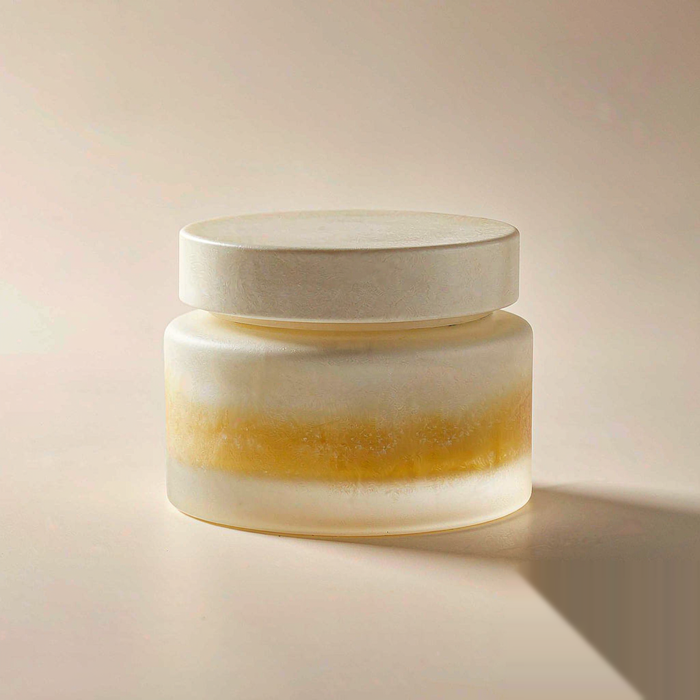 Planning figuresConcept image
Volume Line
Kojic Turmeric Daily Face Cream
A planned formula concept. Final details are still under review.
Planning figure — not confirmed
4.3 · 1121 reviews · projected
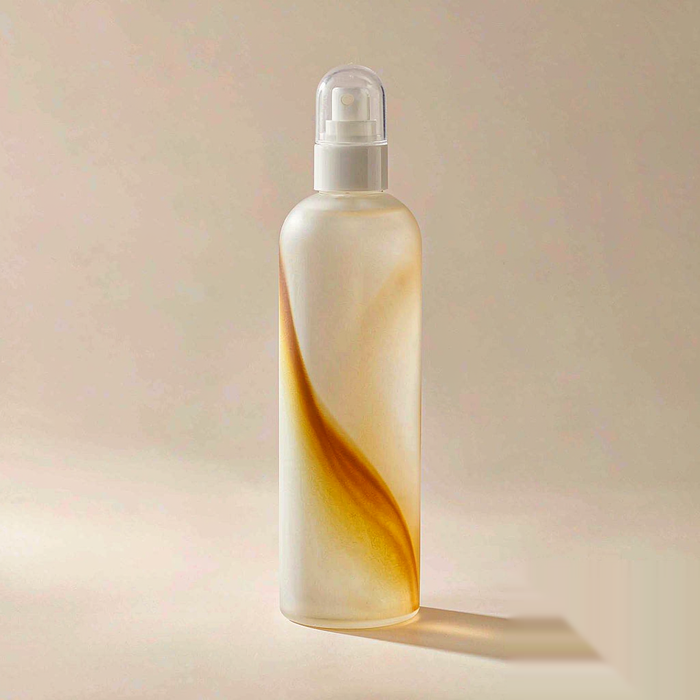 Planning figuresConcept image
Viral Format
Kojic Acid & Turmeric Body Refining Spray
A planned formula concept. Final details are still under review.
Planning figure — not confirmed
4.4 · 2140 reviews · projected
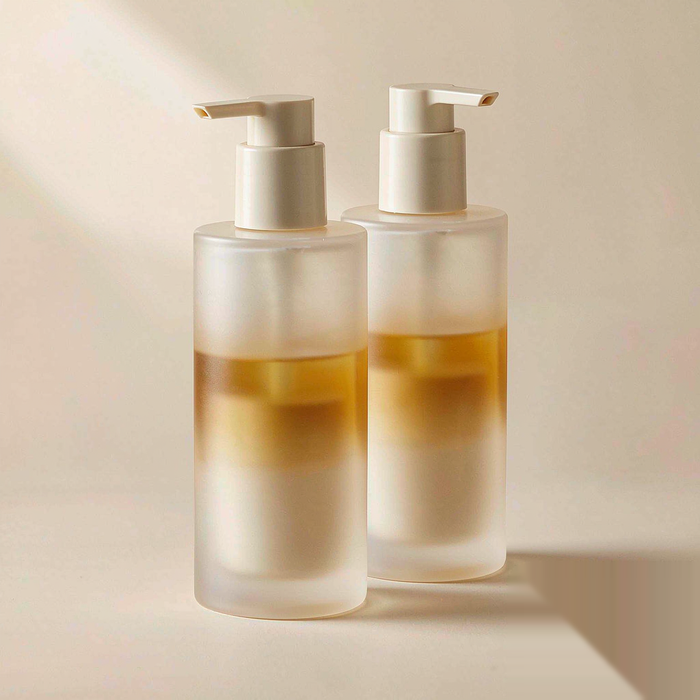 Planning figuresConcept image
Margin Pick
Kojic Turmeric Body Glow Duo
A planned formula concept. Final details are still under review.
Planning figure — not confirmed
4.5 · 1204 reviews · projected
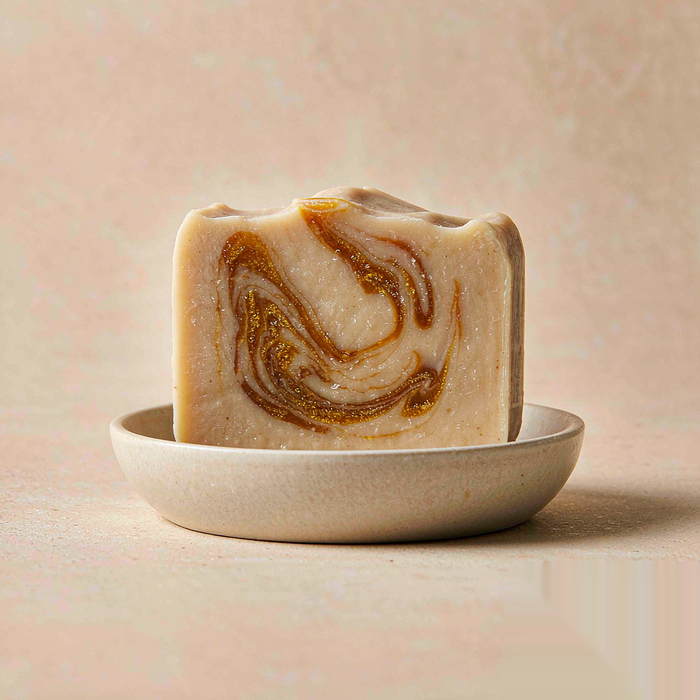 Planning figuresConcept image
Start Here
Kojic Acid & Turmeric Cleansing Bar
A planned formula concept. Final details are still under review.
Planning figure — not confirmed
4.4 · 3115 reviews · projected
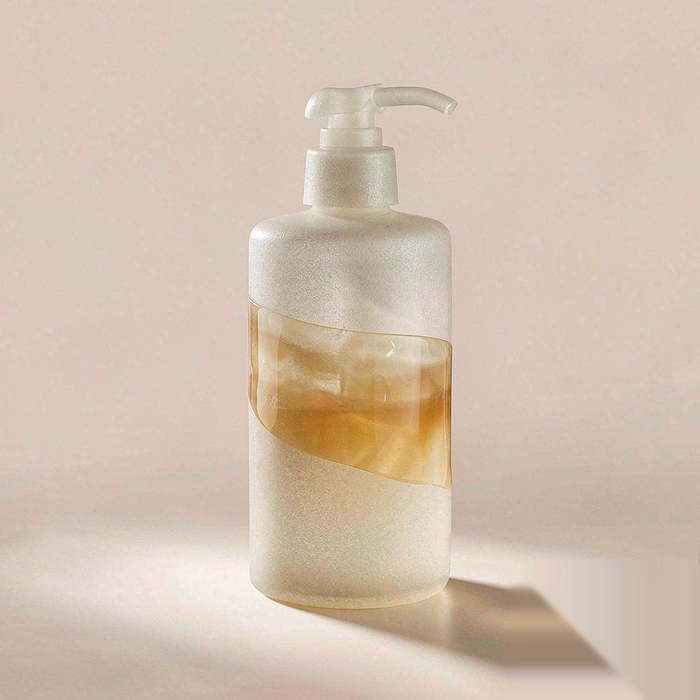 Planning figuresConcept image
Cautious
Kojic Turmeric Brightening Body Wash
A planned formula concept. Final details are still under review.
Planning figure — not confirmed
4.2 · 689 reviews · projected
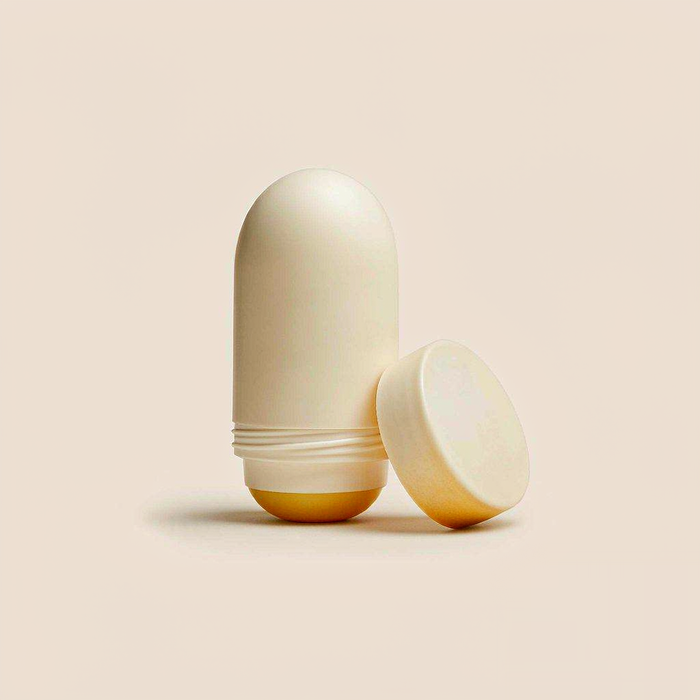 Planning figuresConcept image
Compliance-Safe
Brightening Underarm Deodorant Stick
A planned formula concept. Final details are still under review.
Planning figure — not confirmed
4.4 · 1592 reviews · projected
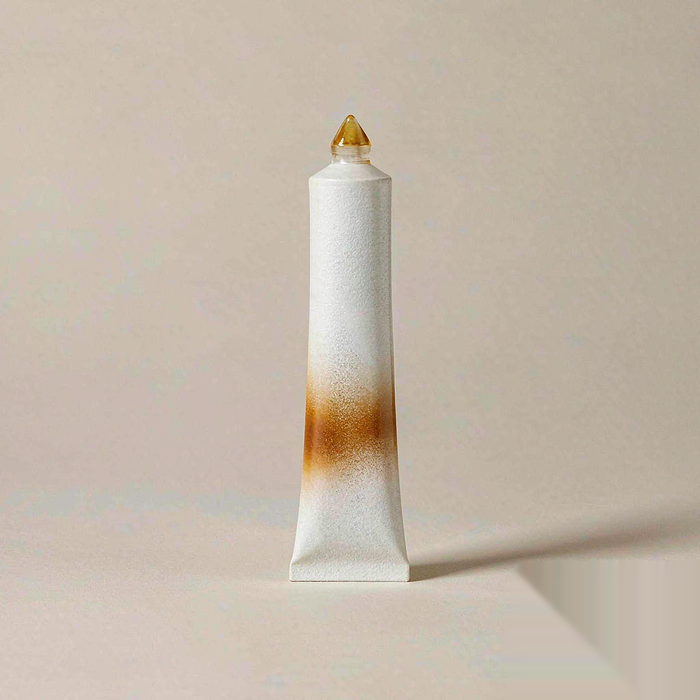 Planning figuresConcept image
Open Position
Brightening Hand Treatment SPF 30
A planned formula concept. Final details are still under review.
Planning figure — not confirmed
4.3 · projected